
Cylindrical Lenses — Precision Plano-Convex & Plano-Concave for OEM Applications
Our Cylindrical Lens Manufacturing Process
Cylindrical lenses require specialized grinding techniques distinct from spherical optics. At Chineselens, our Xuzhou facility operates 100 dedicated cylindrical grinding and polishing stations.
Production steps:
1. Blanking & CNC shaping — N-BK7 or fused silica blanks cut to rectangular dimensions
2. Cylindrical grinding — radius tolerance ±0.5% (standard) or ±0.1% (precision)
3. Pitch polishing — surface accuracy λ/4 (standard), λ/10 (precision)
4. Edge finishing & centering — cylindricity < 1 µm
5. Coating — BBAR or V-coat per wavelength
6. Metrology — laser interferometer with cylindrical null optics, spectrophotometer, scratch-dig inspection
We have produced over 1000+ kinds of cylindrical lenses since 2017 for machine vision, laser scanning, and medical endoscopy applications.
Specifications
Parameter | Standard | Precision |
|---|---|---|
Aperture (width × height) | 2×4 mm to 20×40 mm | Custom shapes available |
Radius of curvature | 5 – 1000 mm | |
Surface accuracy | λ/4 | λ/10 |
Surface quality (scratch-dig) | 40/20 | 20/10 |
Cylindricity | < 1 µm | < 0.5 µm |
Material options | N-BK7, H-K9L | + UV fused silica, SF flint |
Coating | BBAR 400–700 nm (R_avg < 0.5%) | V-coat @ 532/1064 nm (R < 0.25%) |
Cylindrical Lenses Series We Made
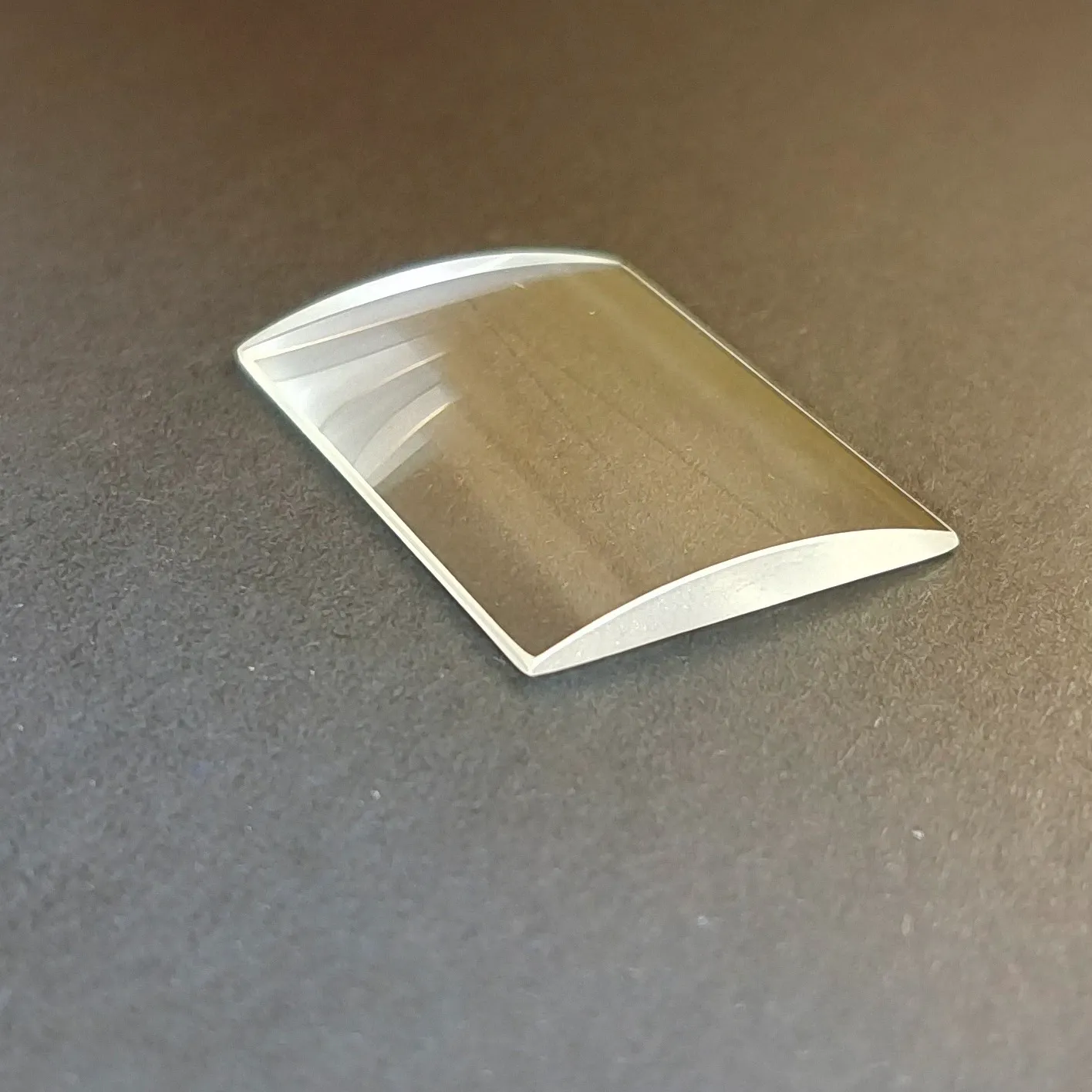
plane convex cylindrical lenses
Plano-convex cylindrical lenses have a unique structure with one flat surface and one convex surface, capable of focusing incident parallel light into a fine line. These lenses play an important role in technical applications such as laser beam shaping and fiber coupling. By precisely controlling the light focusing, plano-convex cylindrical lenses can effectively improve the optical performance and efficiency of systems.
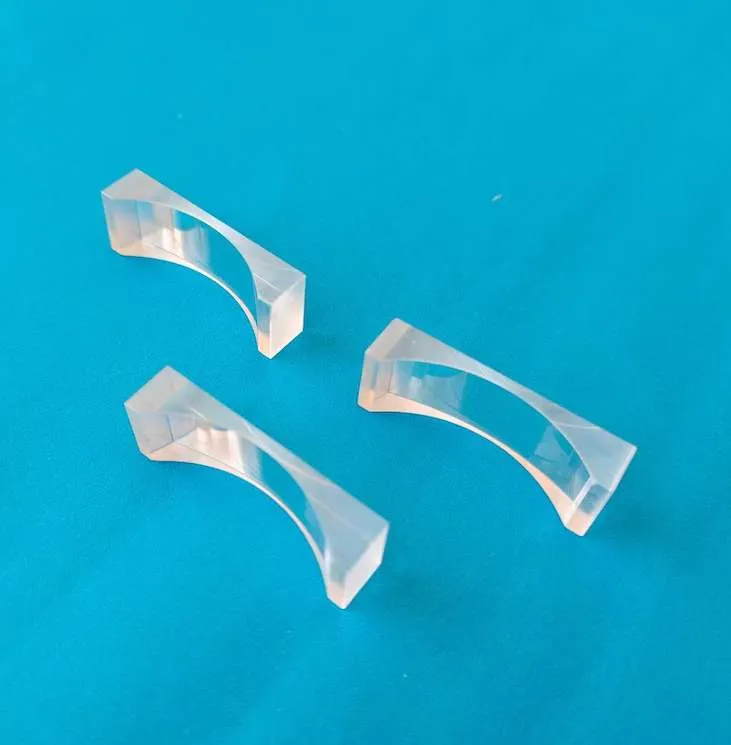
plano concave cylindrical lenses
Plano-concave cylindrical lenses have one flat side and one concave side. Their main function is to spread the light beam into a line shape, thus playing an important role in areas such as spectrometers and barcode scanners. By adjusting the propagation direction and shape of the light beam, plano-concave cylindrical lenses can optimize the application effects of optical systems.
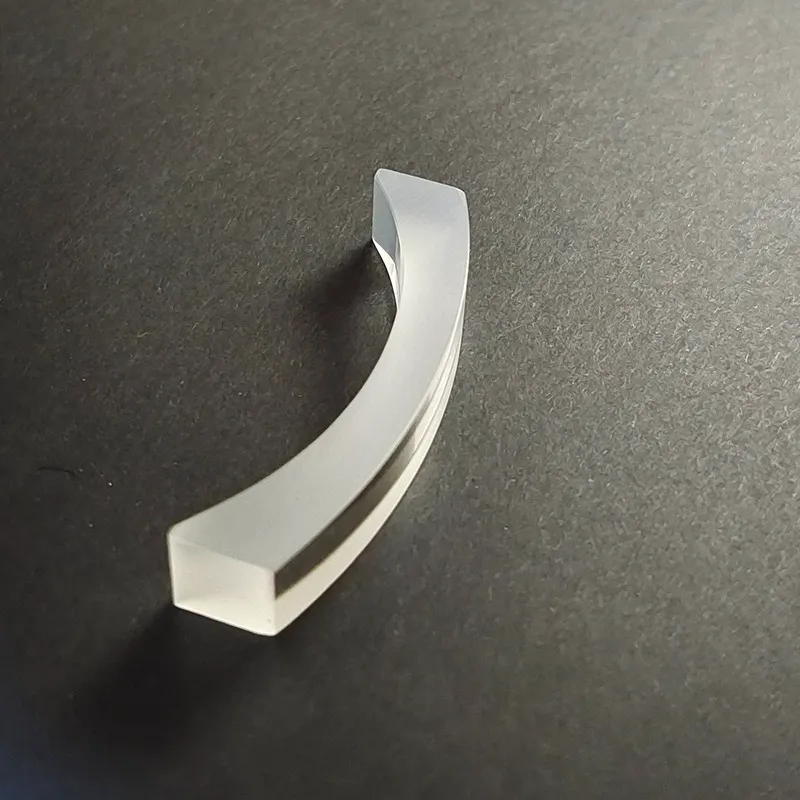
meniscus cylindrical lenses
Meniscus cylindrical lenses feature one convex and one concave cylindrical surface. This unique design combines the properties of both positive and negative cylindrical lenses. Applications of meniscus cylindrical lenses include laser diode circularization, astigmatism compensation in imaging systems, beam shaping, and optical system miniaturization. Their ability to reshape beams while providing aberration correction makes them versatile for laser material processing, biomedical optics, and other photonic applications.
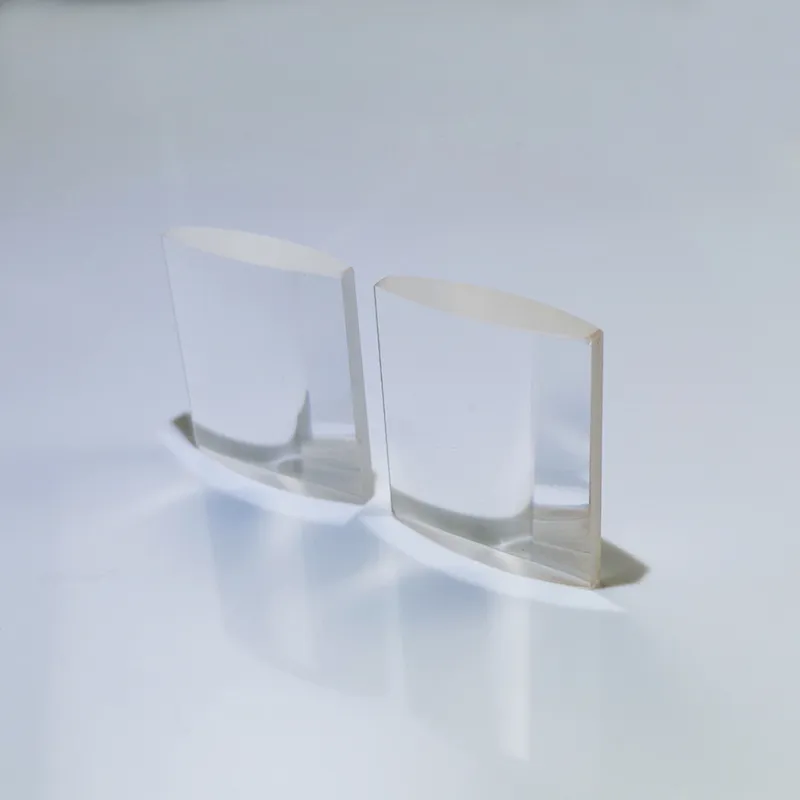
double convex cylindrical lenses
Bi-convex cylindrical lenses feature a design with both sides convex, giving them stronger focusing power. They are particularly suitable for applications requiring high energy density, such as laser marking and material processing. By improving the focusing efficiency of the light beam, bi-convex cylindrical lenses can bring higher precision and effects to these applications.
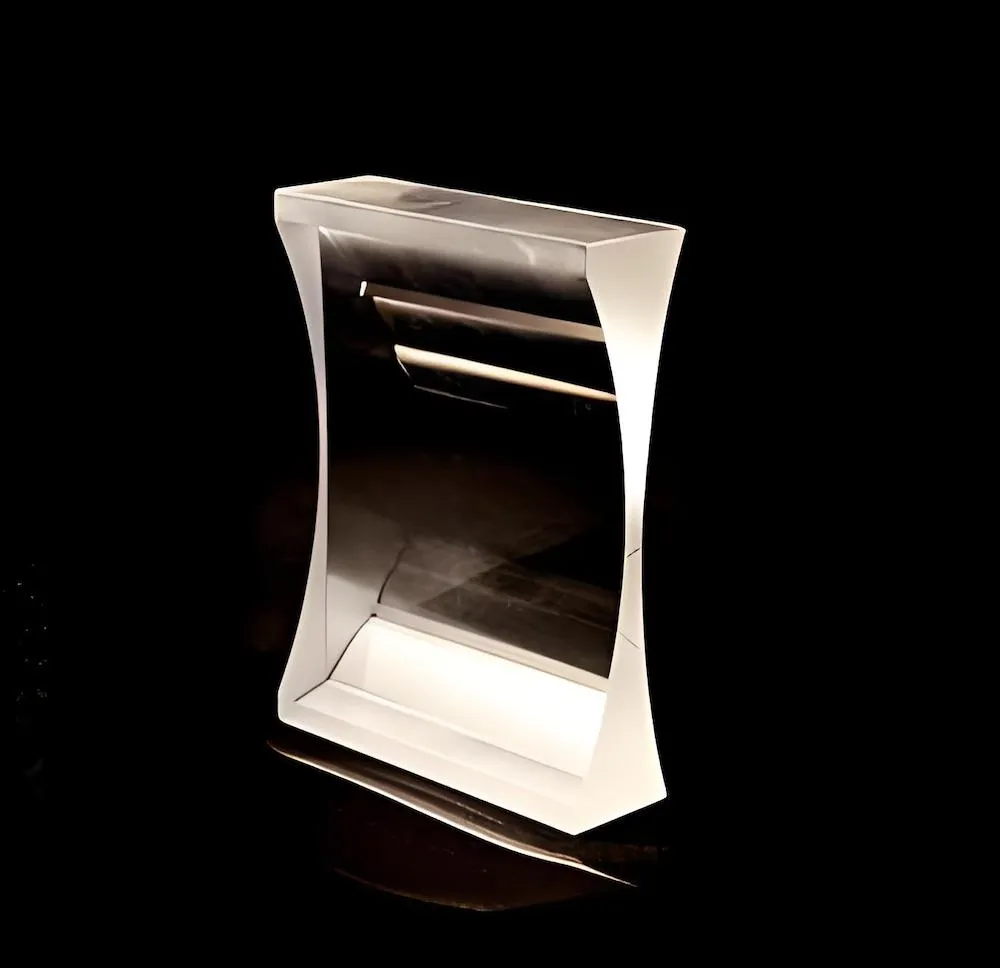
double concave cylindrical lenses
Both surfaces of bi-concave cylindrical lenses are concave, allowing them to provide a larger beam expansion angle, suitable for applications requiring a wide field of view, such as holographic illumination and 3D scanning. By adjusting the beam expansion range, bi-concave cylindrical lenses can meet specific optical needs.
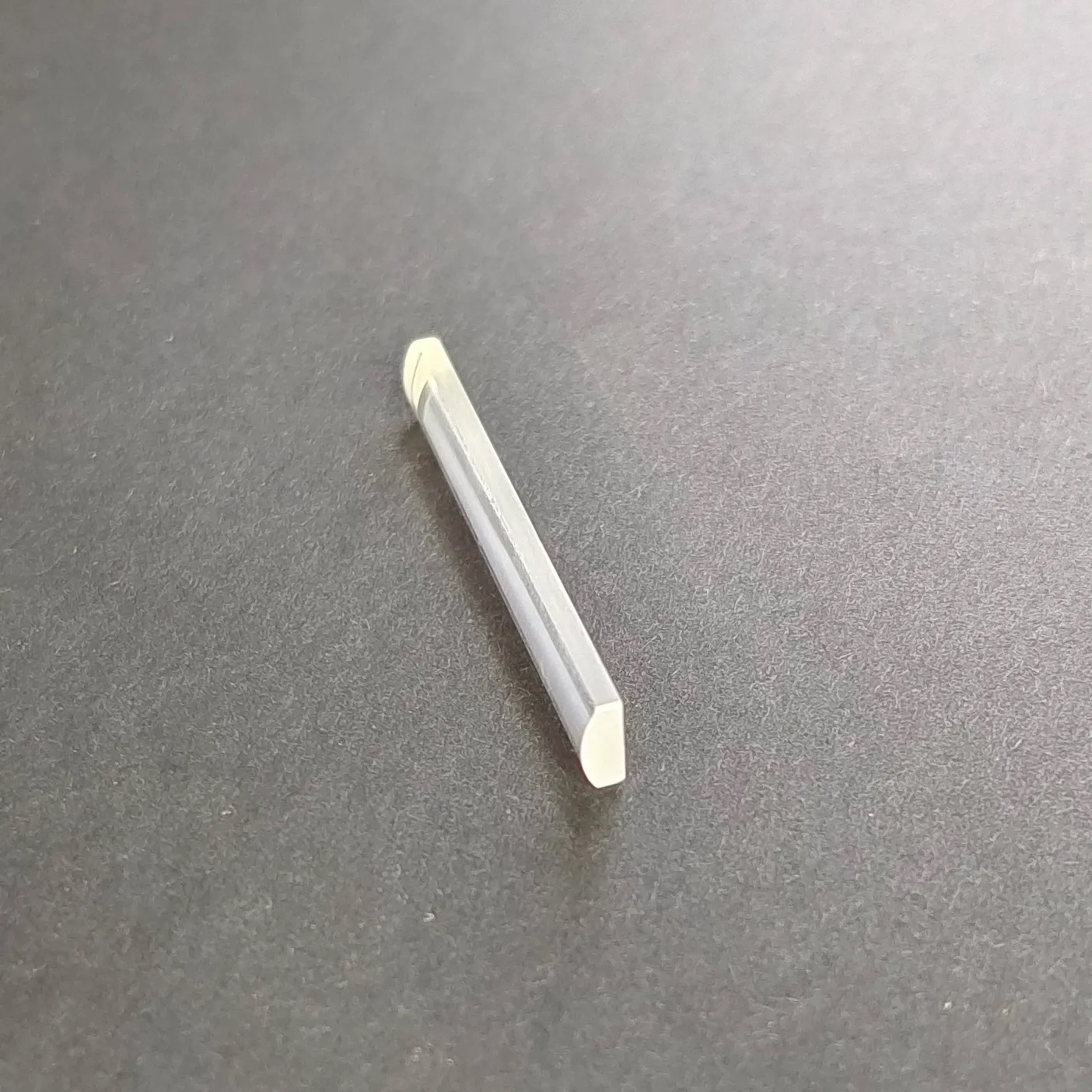
aspherical cylindrical lenses
By adopting an aspheric design, aspheric cylindrical lenses effectively reduce aberrations, providing higher imaging quality. These lenses are suitable for applications with strict imaging performance requirements, such as optical inspection and medical imaging. The high-precision design of aspheric cylindrical lenses ensures optimal imaging effects for optical systems.
Need Help?
Don’t hesitate to contact us for more information about company or buying cylindrical lenses.
Manufacturing & Metrology
Facility & Equipment
- Dedicated cylindrical lens production line in Xuzhou
- CNC cylindrical grinders: 30 units
- Polishing stations: 100 units
- Laser interferometer with cylindrical null optics: 2 units
- Spectrophotometer: 1 units
- Quality Reports Provided on Request
- Coating transmission/reflection curves (per lot)
- Interferogram showing surface accuracy (for λ/10 grade)
- Dimensional inspection report
- Material certification (glass melt traceability)
Coating Options
- Single-layer MgF₂: R < 1.5% @ 400–700 nm
- BBAR 400–700 nm: R_avg < 0.5%
- BBAR 650–1050 nm: R_avg < 0.5%
- BBAR 900–1600 nm: R_avg < 0.5%
- V-coat @ 532/1064/1550 nm: R < 0.25%
- Custom multilayer designs available
Related Projects
Cylindrical lenses, with their outstanding optical qualities, play an indispensable role across numerous industries, providing solid optical solution support for scientific innovation and industrial progress. The following lists application examples of cylindrical lenses in various fields, showcasing their key role in driving industry development:
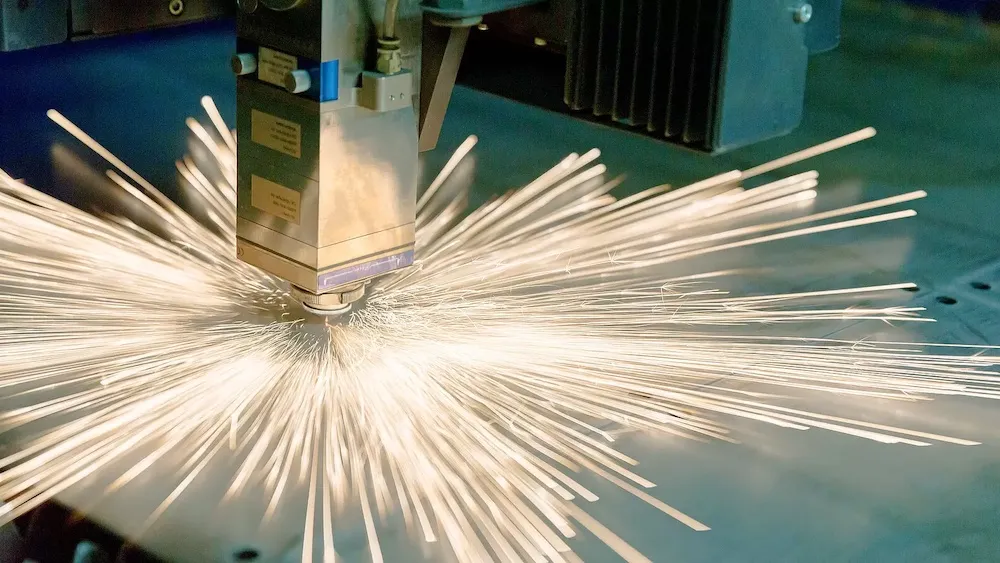
Laser Processing
In laser marking, cutting, welding and other processes, the use of cylindrical lenses can effectively shape the laser beam to form a high-quality line spot, significantly improving processing efficiency and accuracy. For example, the bi-convex cylindrical lenses we provided to a laser equipment manufacturer solved their issue of poor beam quality, increasing their processing efficiency by 30%.
Barcode Scanning Technology
As a core component of barcode scanners, cylindrical lenses can produce uniform scanning lines to ensure accurate barcode reading. The customized plano-concave cylindrical lenses we supplied to a supermarket greatly enhanced the stability and reliability of their scanners, achieving a 99.9% success rate.

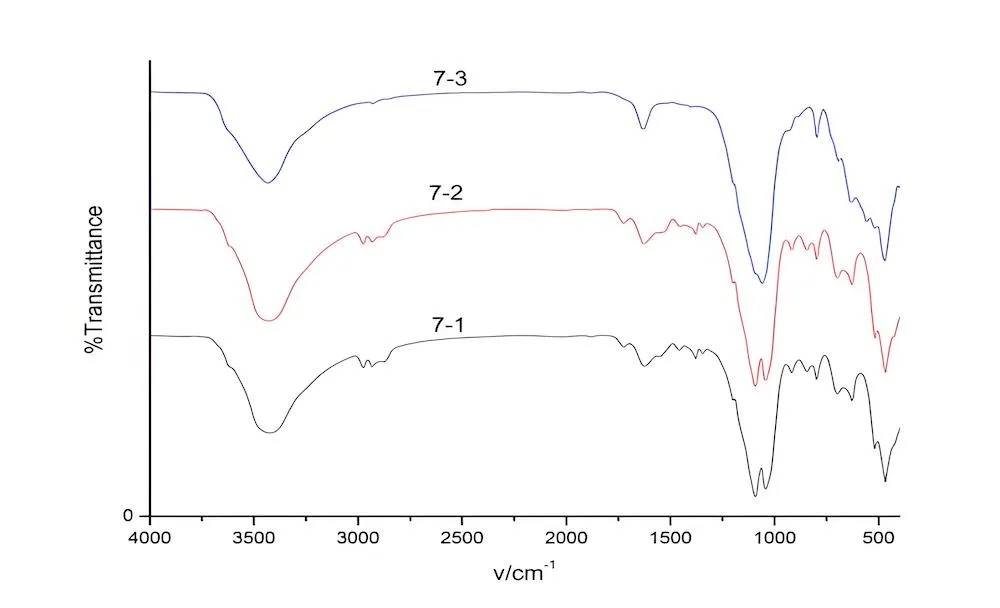
Spectral Analysis Applications
In spectrometers, cylindrical lenses collimate and remove divergence from incident beams, effectively improving spectral resolution. The custom collimating cylindrical lenses we made for a university lab doubled their spectral resolution, providing powerful support for their research work.
3D Scanning & Measurement
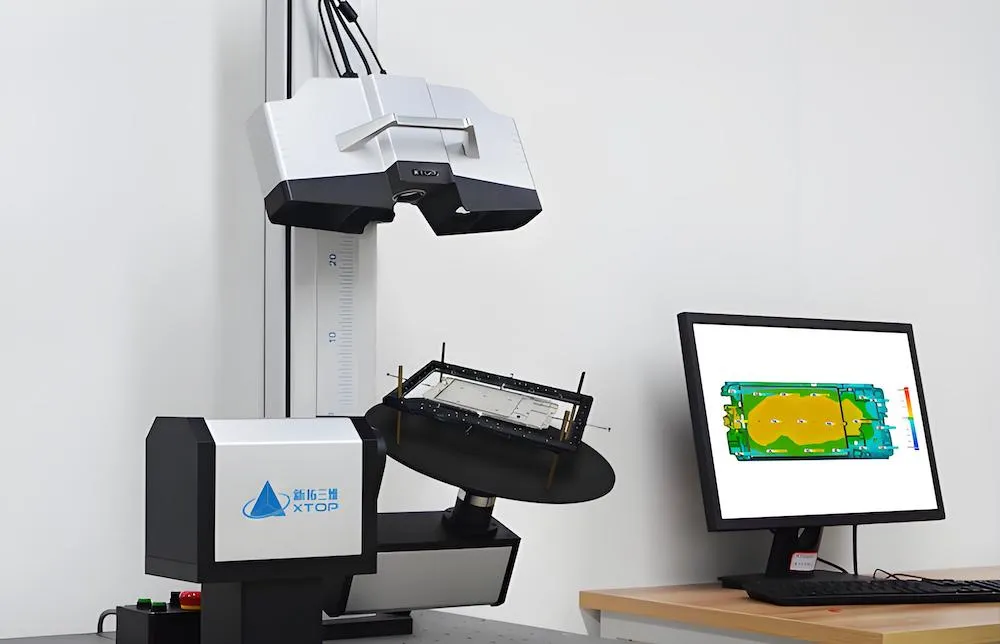
Cylindrical lenses can produce high-quality laser lines critical for 3D scanning and measurement. The aspheric cylindrical lenses we customized for a machine vision company effectively improved the uniformity and clarity of the scanning line, increasing 3D scanning speed by 50% and achieving 0.01mm measurement accuracy.
Holographic Illumination Technology
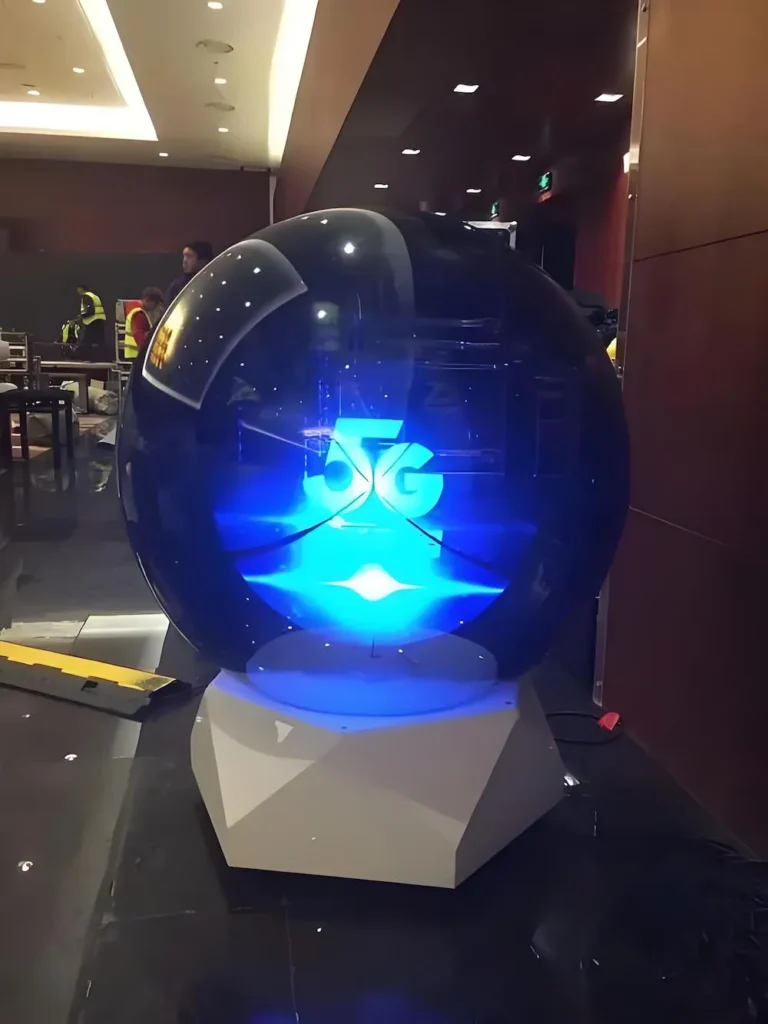
In holographic display systems, cylindrical lenses can generate uniform line-shaped reconstruction beams, simplifying system design. The custom cylindrical toroidal lenses we provided to a holographic equipment developer successfully achieved high-brightness, low-speckle holographic image reconstruction, earning high praise from the customer.
Beyond these applications, cylindrical lenses are widely used in fiber coupling, optical computing, laser beam shaping and many other fields, creating tremendous value for customers. We are committed to continuously deepening research on cylindrical lens technology and expanding application areas, providing excellent product performance and professional technical services to drive innovation across industries. If you have any application needs for cylindrical lenses, please feel free to contact us. We will provide you with tailored optimal solutions!
FAQ
Q: How do I specify a cylindrical lens for laser line generation?
A: Provide working wavelength, required line length at working distance, input beam diameter, and desired uniformity. Our engineers will calculate the optimal radius of curvature and recommend either a cylindrical or Powell lens.
Q: Can you make rod lenses for endoscope relay?
A: Yes. We produce rod lenses from φ0.5 mm to φ10 mm in N-BK7 and SF glass, surface accuracy λ/4 to λ/10, compatible with WOLF/STORZ formats.
Q: What is the minimum order quantity?
A: Prototypes from 5 pcs. Volume production supported at 1k–10k+ units/month.
Q: Do you provide coating curves?
A: Yes, every shipment includes spectrophotometer T/R curves for the specified coating.
Connect with our experts