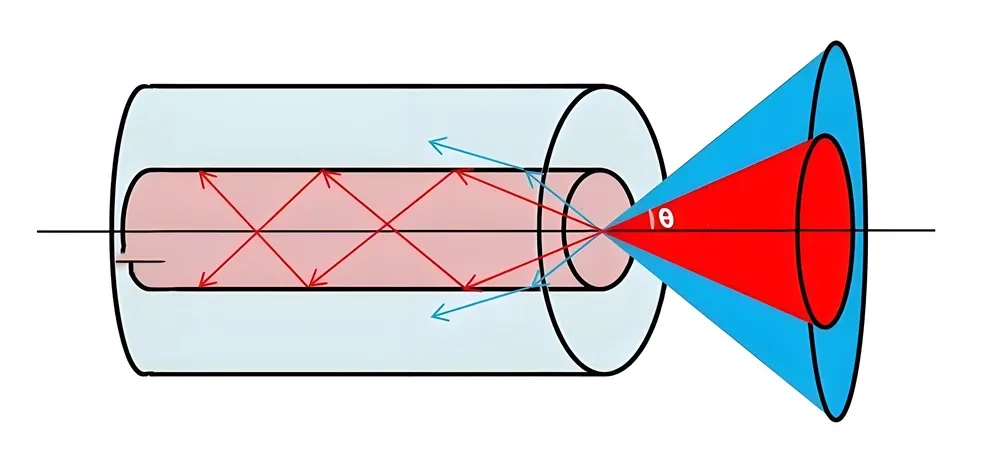
Understanding Numerical Aperture in Optical Systems
Numerical Aperture (NA) measures an optical system’s ability to collect and focus light, directly impacting resolution and light-gathering capacity.

Numerical Aperture (NA) measures an optical system’s ability to collect and focus light, directly impacting resolution and light-gathering capacity.

Complete guide to zinc selenide optics: IR transmission at 10.6μm, thermal management strategies, laser damage thresholds, and comparison vs germanium/silicon IR materials.
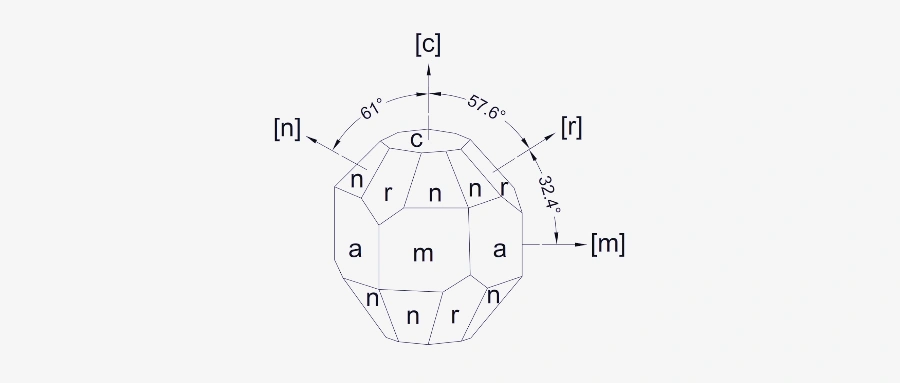
A comprehensive analysis of optical sapphire’s unique characteristics, production methods, and critical applications in extreme environments, from material science to industrial implementation.
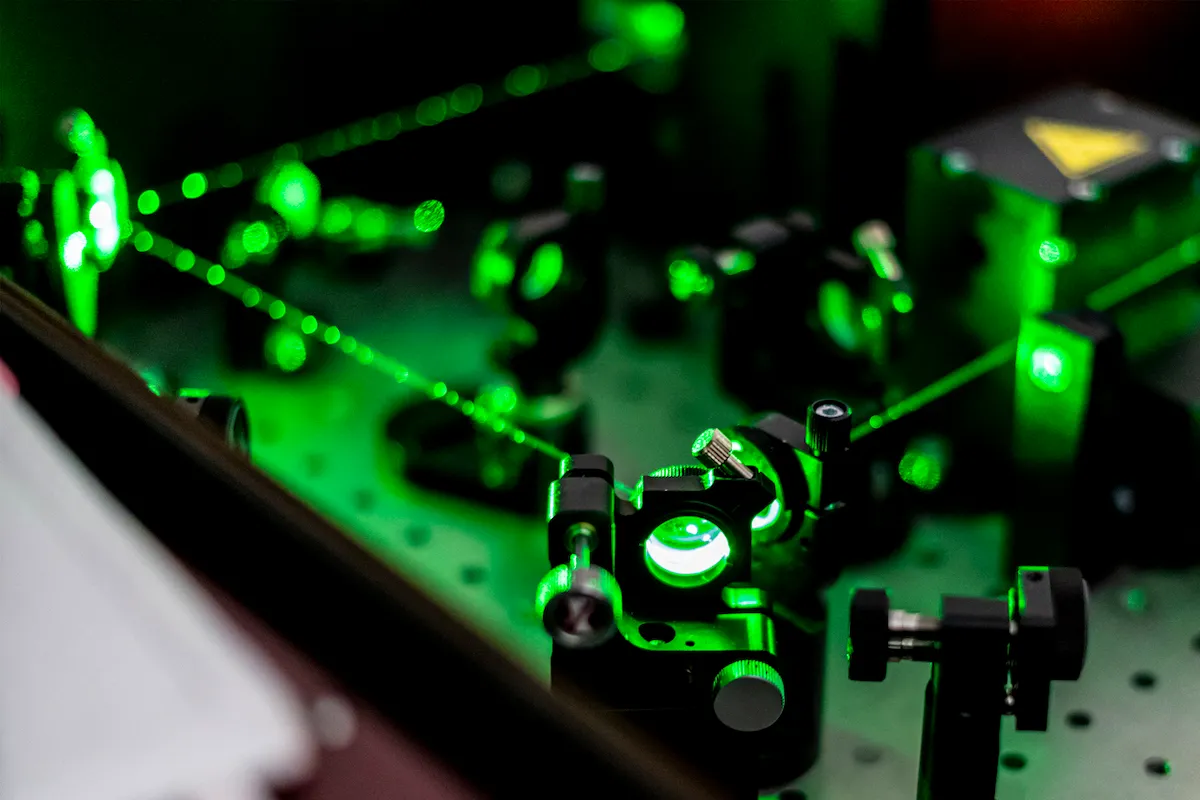
Optics studies light’s behavior and interactions, driving innovations in science, technology, and everyday applications like imaging and communication.
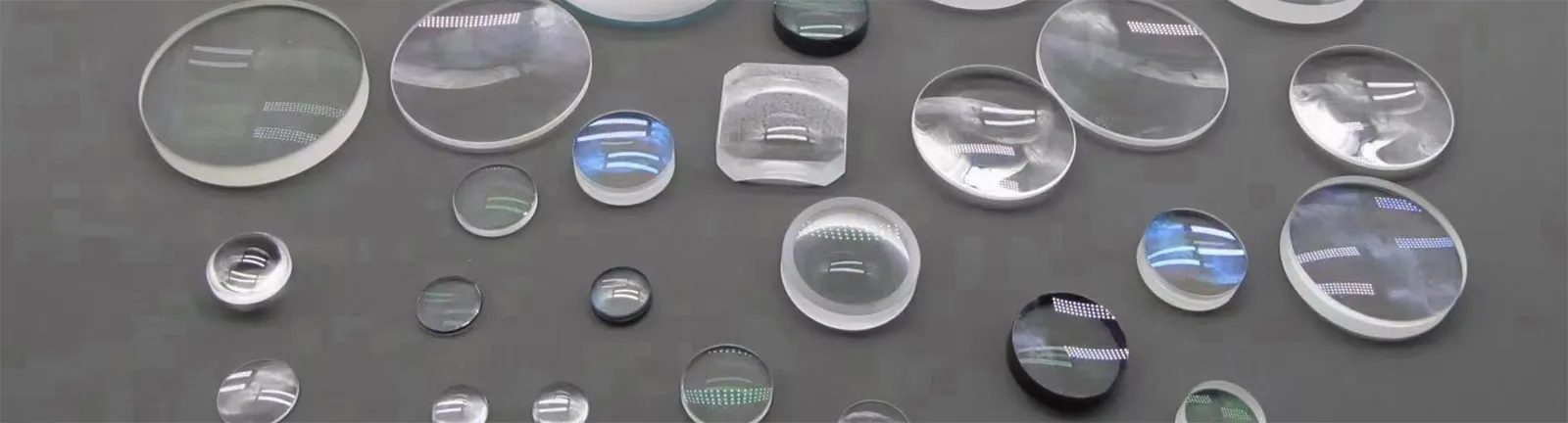
Chinese-made optical lenses dominate the market with affordability, innovation, and quality, reshaping global competition and meeting diverse industry demands.

Convex lenses converge light for magnification and farsightedness, while concave lenses diverge light for nearsightedness and wide views. Learn their uses.

Optical lenses change the path of light by refraction to achieve focusing or divergence. They are widely used in science, industry, medicine and daily life and are the core components of modern optical systems.

Cylindrical lenses focus light in one direction, ideal for beam shaping, astigmatism correction, and laser systems. Explore their types, uses, and key features.

Optical filters control light by transmitting specific wavelengths and blocking others. Explore types like bandpass, longpass, and polarizing filters.

Understand optical prisms, their types like dispersive and right-angle, and applications in science, telecom, medical imaging, and optical instruments.